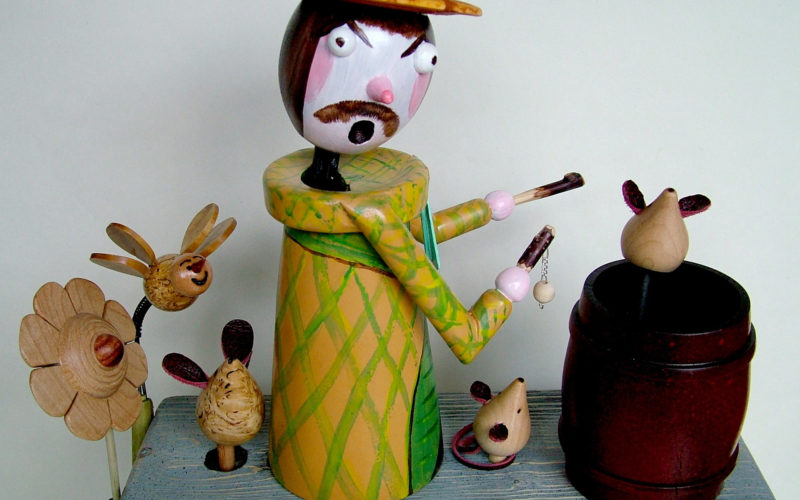
An automaton can amuse and entertain using the simplest of mechanical technology and can be made by anyone using basic woodworking skills.
Stuart King
Craftsman, artist, woodturner, and photojournalist
Main Content
Wild wood Archaeology
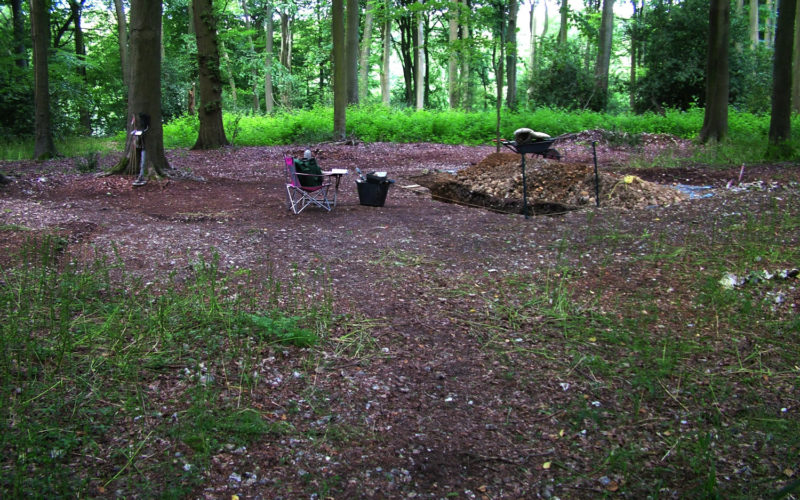
The Wildwood is still giving up its secrets, albeit slowly. Exploration started rather late due to a wet spring but continued well into the autumn with each carefully dug and recorded trench revealing a little more of life from prehistory to the medieval period.
Mystery of the Moor—4000 years of woodturning
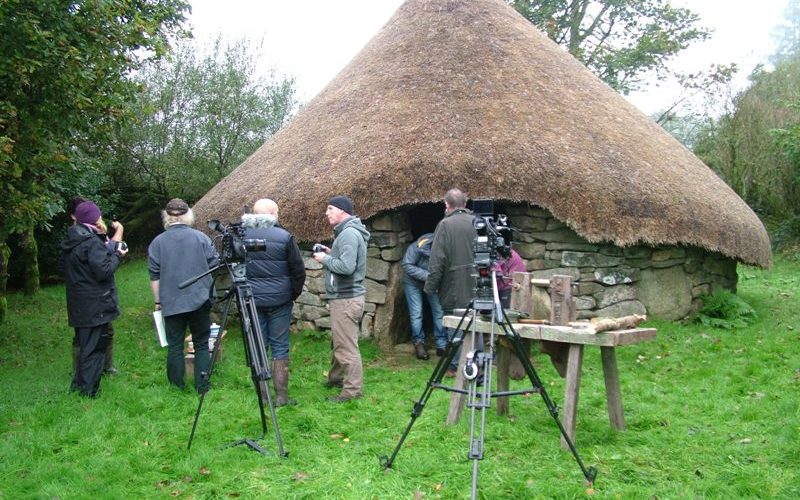
A Bronze Age burial chamber was discovered on Dartmoor, with the remains of a woman, and four lathe-turned ear studs. So began an archaeological experiment.
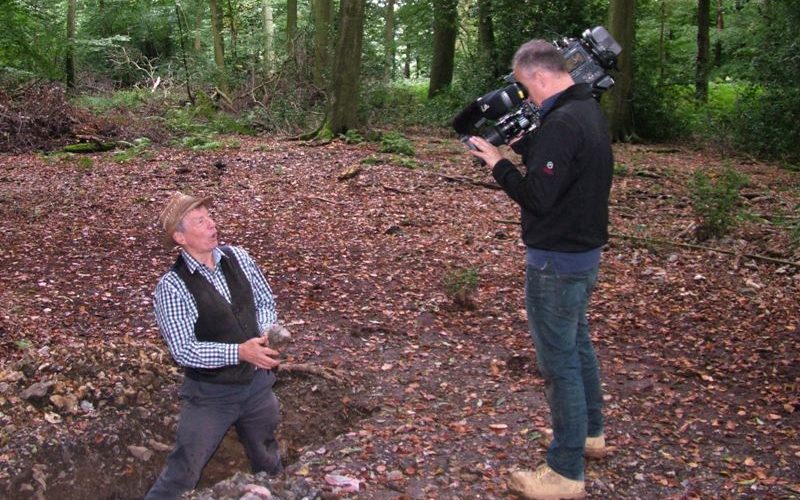
The BBC TV news visits the Wildwood
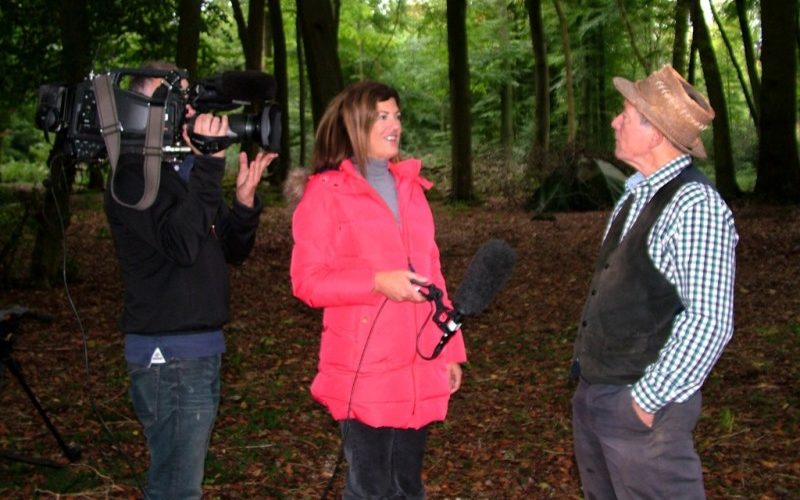
The BBC TV news visits Stuart King in the Wildwood to seek out the Romans
The Romans were here!
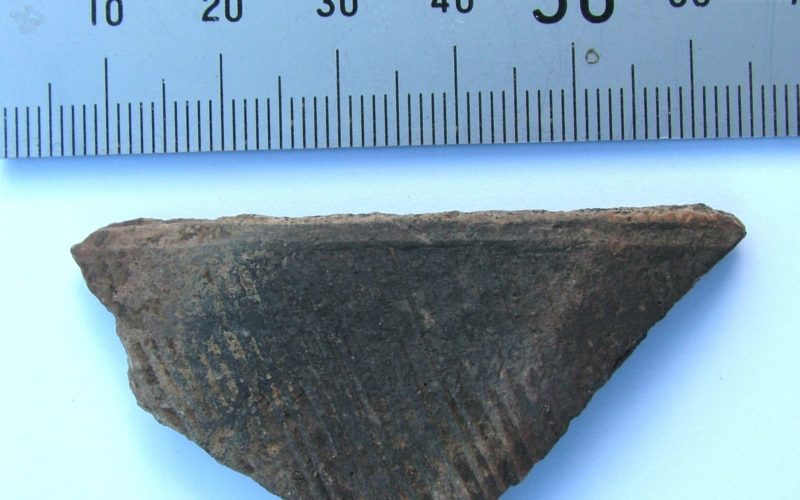
What were the Romans doing in the Wildwood?
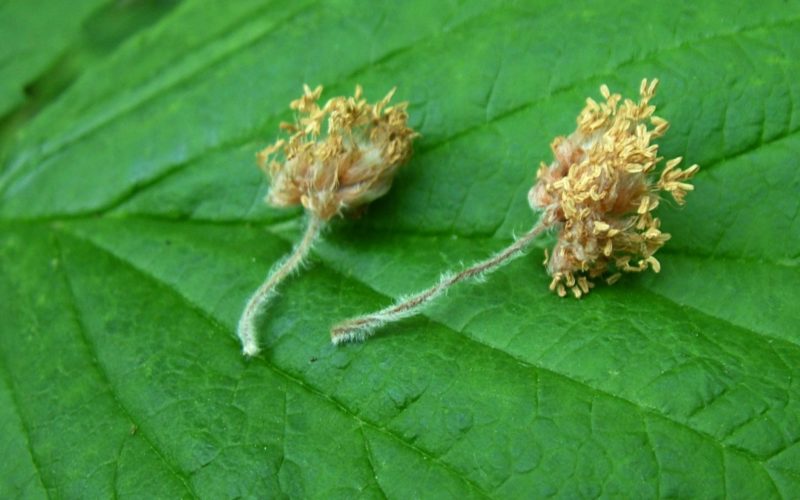
Beech Nuts in the wild
Most folk wouldn’t recognise a beech flower. Those that remain on the trees are maturing into distinctive triangular beech nuts.
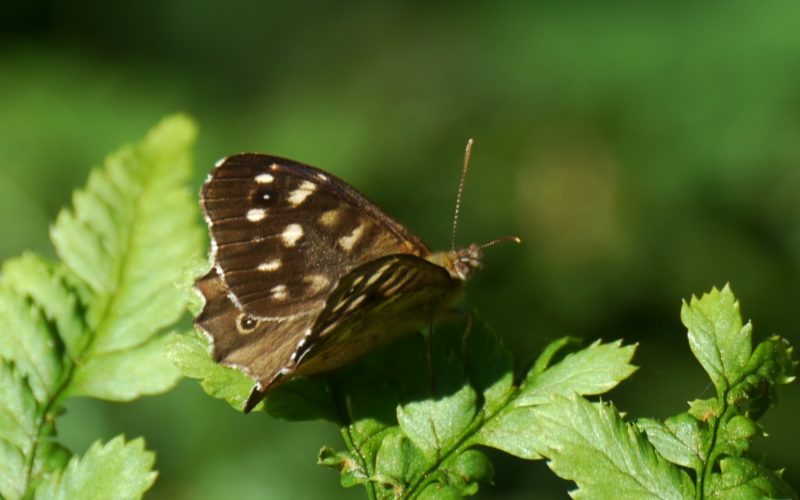
The Speckled Wood Butterfly
This has been a fantastic year for the Speckled Wood butterfly. There has been fierce competition for the shafts of sunlight that our 2013 summer has provided in abundance.

Hidden Wildwood Camera
In one corner of the Wildwood is a pheasant feeder. To monitor the effectiveness I acquired an infrared motion activated camera to observe what really happens both in the daytime and at night, and I have been delighted with the first two 24 hour sequences. Amongst the visitors were badgers, muntjack deer, fox, squirrels, a rabbit, rook and jay… but no pheasants.
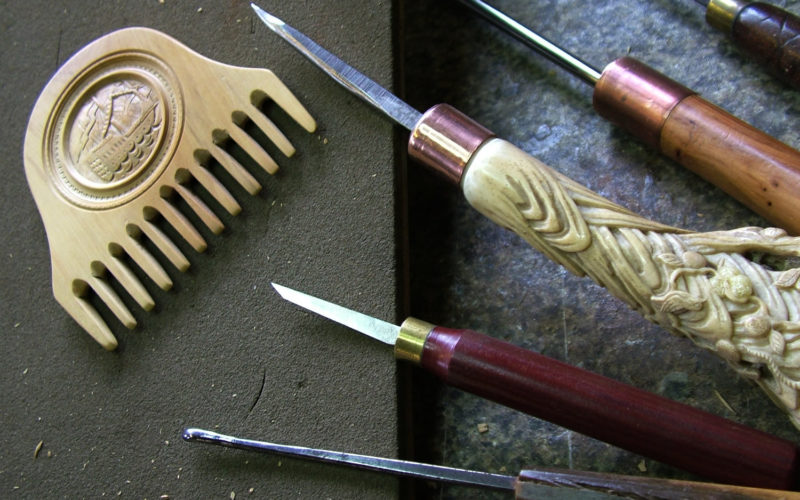
Mary Rose — making a sailor’s boxwood hair comb
I recently visited the new Mary Rose museum at Portsmouth. What a fantastic job they have done. I was so taken by the sailor’s boxwood hair combs that it was straight to the workshop to make a couple of examples.
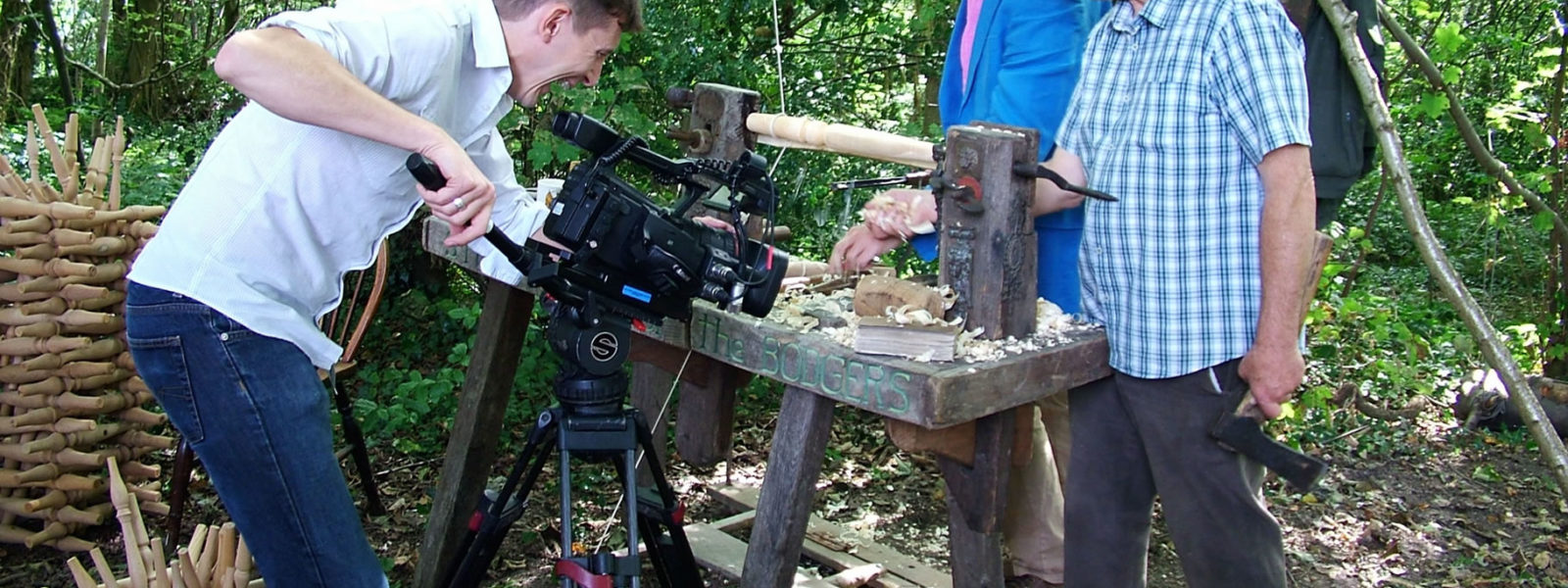
Stuart King on Time Team, Alan Titchmarsh Show, and Great Railway Journeys
Is TV showing more interest in traditional crafts?, Stuart King appeared on Time Team, the Alan Titchmarsh Show, and Great Railway Journeys.
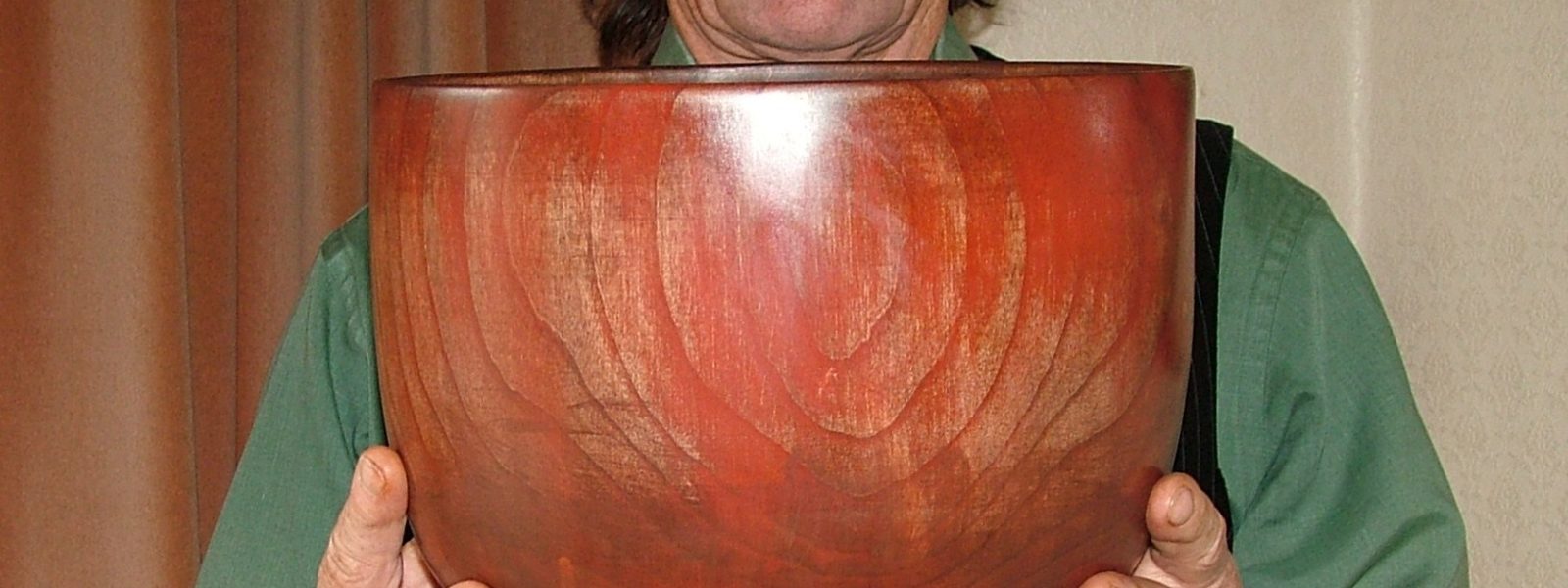
Wassail—an ancient English tradition
Wassailing is 1000 year old English tradition. Stuart King outlines the simple chronology and and some details of the wassail bowl.
Footer